On my son’s 4th birthday, I decided to throw him an insect party, and I pulled out all the stops. I wanted it to be Pinterest-worthy! You know what I mean when I say Pinterest-worthy, right?
Everything had to align with the party’s theme. From games to decorations, it had to be all insects!
To pull off a successful Pinterest party, you must thoughtfully weave in vocabulary and concepts from the theme into the snacks, cake, party favors, games, and decorations.
At my son’s party, we had worm punch, caterpillar grapes, ants on a log, and butterfly chicken salad sandwiches. During the group games, all the kids had to act like bugs, and every activity related to the life of insects. My themed party provided a context for the children to process the event and attach meaning to their lives from it.
That’s what a theme-based approach provides for students: a context, a lens through which to view a theme and apply the vocabulary words and concepts to their personal lives.
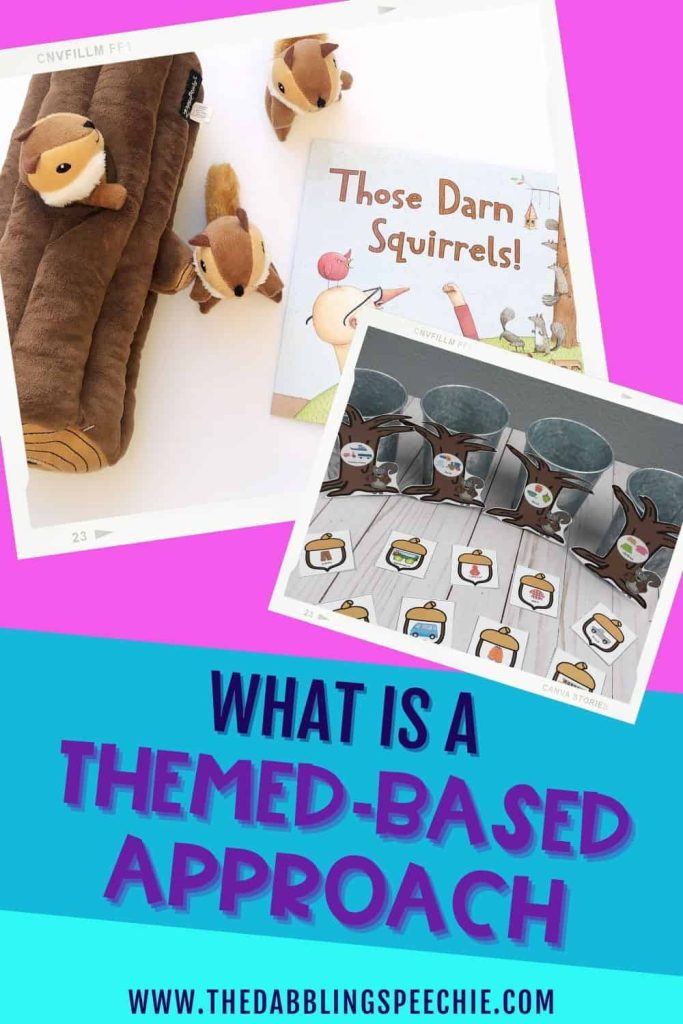
What is a Theme-Based Approach?
In theme-based therapy, it is important for students to make personal connections with the theme and its context. So as you implement this approach, find opportunities for students to connect those concepts to their daily lives.
Themed Therapy SLP Membership
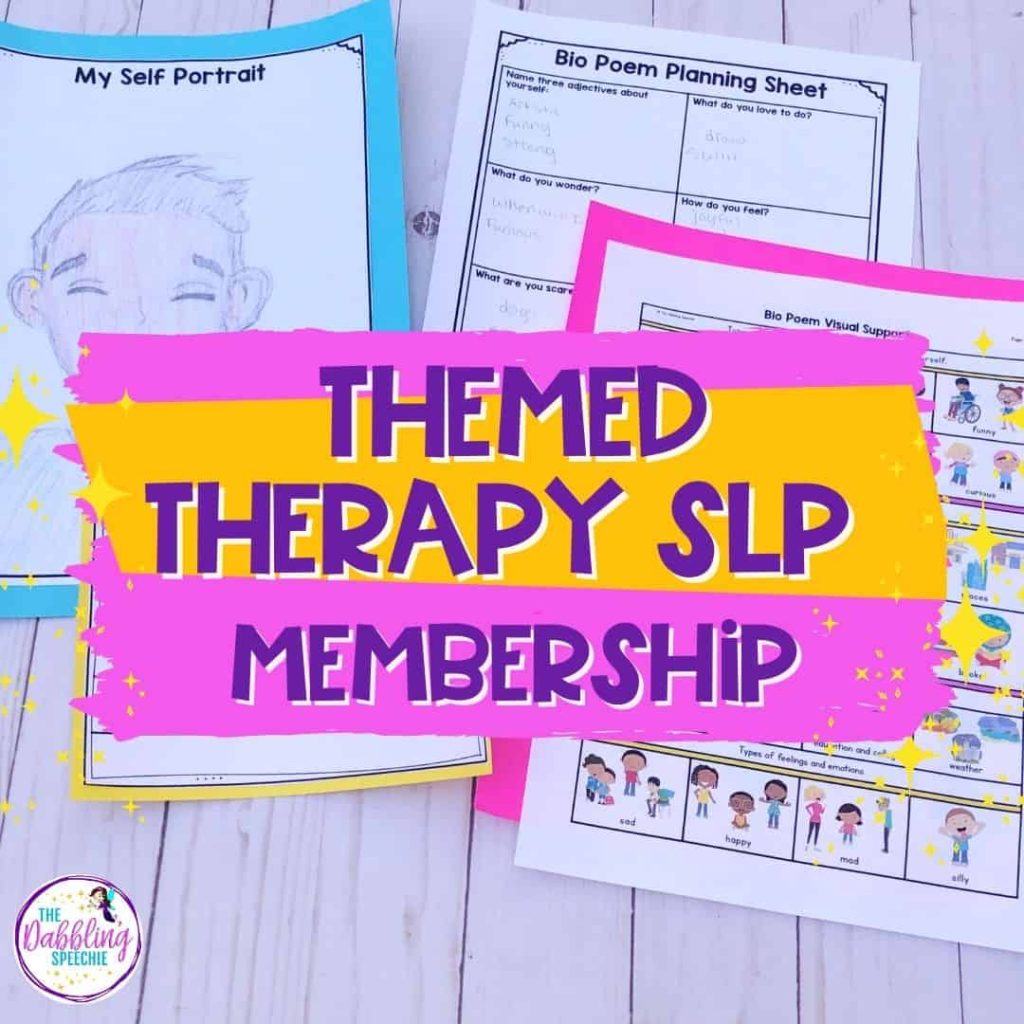
If you are interested in having fully prepared themed therapy materials for your Prek-5th grade students, check out the Themed Therapy SLP Membership. These materials come with selected targets and activities designed around different themes. I created this membership to take lesson planning off your plate and, quite possibly, allow you to leave work on time knowing you served your students well!
What Themed Therapy is NOT
This may ruffle some feathers, but reading an example of what themed therapy is not will help you understand which materials to use.
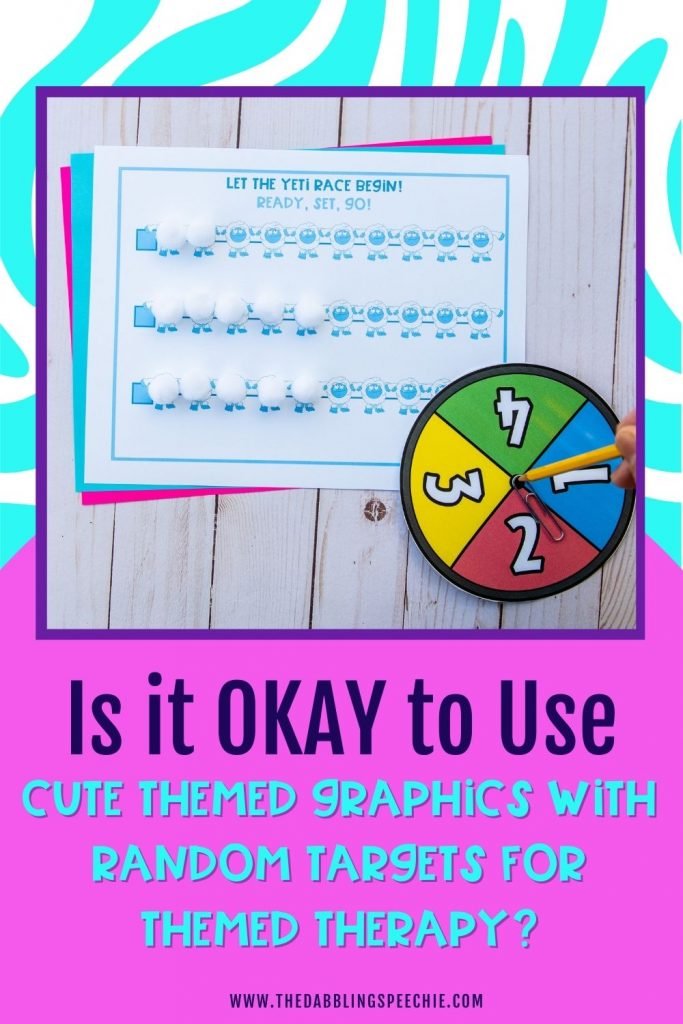
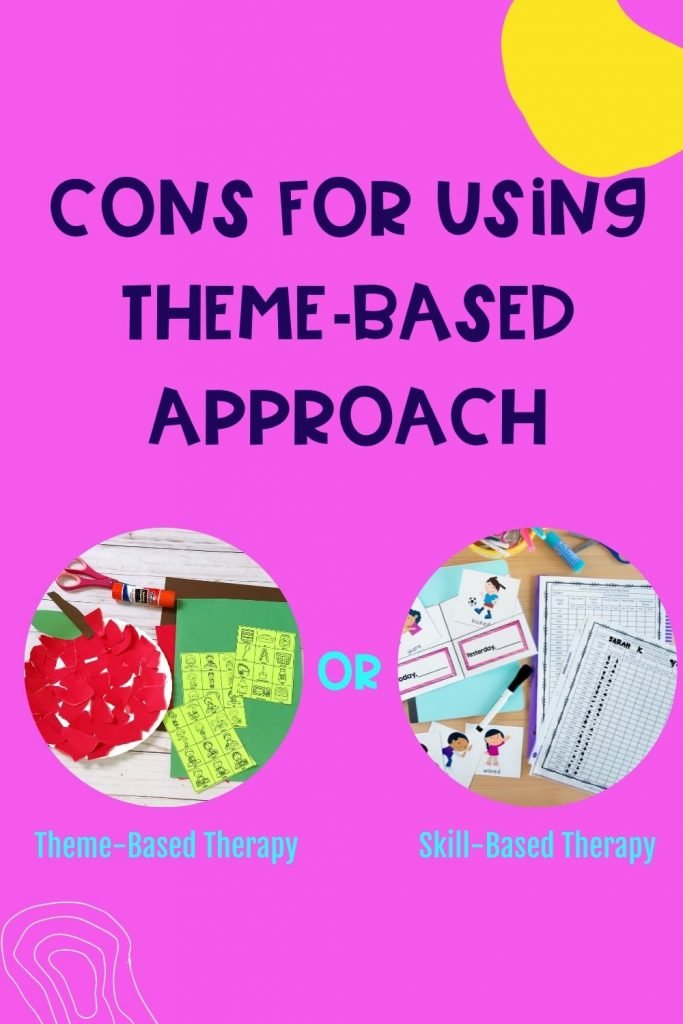
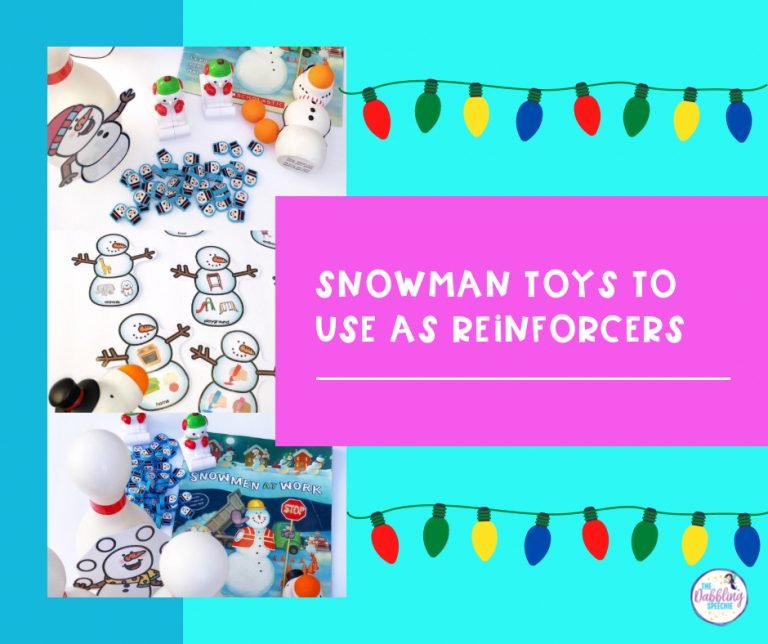
When you use a worksheet or activity that has cute, themed graphics but has random speech or language targets on the clipart, this is a skill-based therapy approach. The targets are not necessarily connected to each other, so the student isn’t going to be able to relate the stimulus items to a common category or theme.
However, if the snowballs on the worksheet contained pictures of “sled, slip, slushie, snow, sneeze, skate, scarf, storm, and sweater,etc.” this would be consistent with themed therapy.
Is it Okay to Use Cute Themed Graphics with Random Targets?
I just want to make clear the difference between themed therapy and skill-based therapy.
Oftentimes, we may be able to use themed games as reinforcers with our students with speech sound disorders. Some students need specific targets for the approach you are implementing, and using themed sound targets may not work best.
That doesn’t mean you can’t infuse themes to make therapy fresh and motivating!
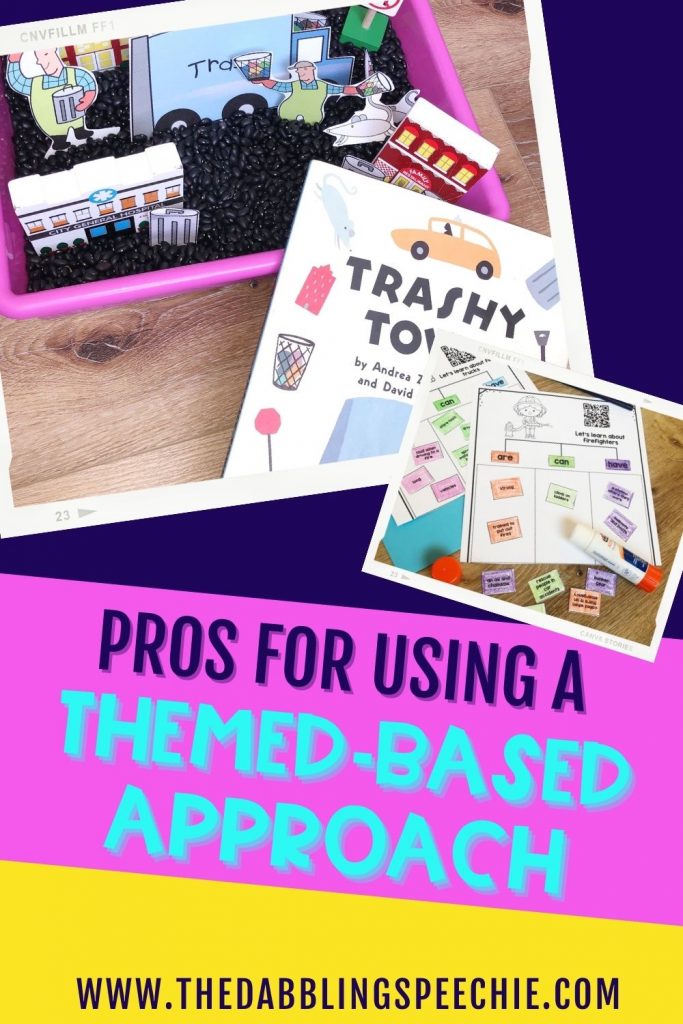
Pros for Using a Themed-Based Approach
When considering a therapy approach, it’s helpful to examine the pros and cons. Here are some of the benefits to using a theme-based approach:
- It helps students make personal connections. For example, if you do a pet theme, students can make connections with taking care of their own pets.
- Students get more engagement from the contextual vocabulary. When students practice themed vocabulary throughout several themed activities, they are able to understand the words in context rather than memorizing random vocabulary words.
- Once you plan a theme, you can use it year after year!
- Lesson planning, in the long run, is more efficient. Check out this Real Talk SLP podcast about “Why I Use a Theme Longer Than a Week.”
- You can choose themes that align with the student’s curriculum so there is carryover from the classroom to the speech room.
Cons for Using a Themed-Based Approach
- It can be time consuming to plan for a variety of goals and ages. As you get the hang of planning themes, the process definitely speeds up, but it can take time in the beginning. You can make planning easier by using low prep themed materials.
- If you implement a theme that is not motivating to your students, the engagement in your sessions could be low.
- Finding ways to do child-led play therapy can be a challenge. One way to stay on theme and still follow the child’s lead is to offer two different themed books or sets of toys and allow the child to choose.
- Using themed words for speech targets may not be a good fit for your student’s speech sound disorder.
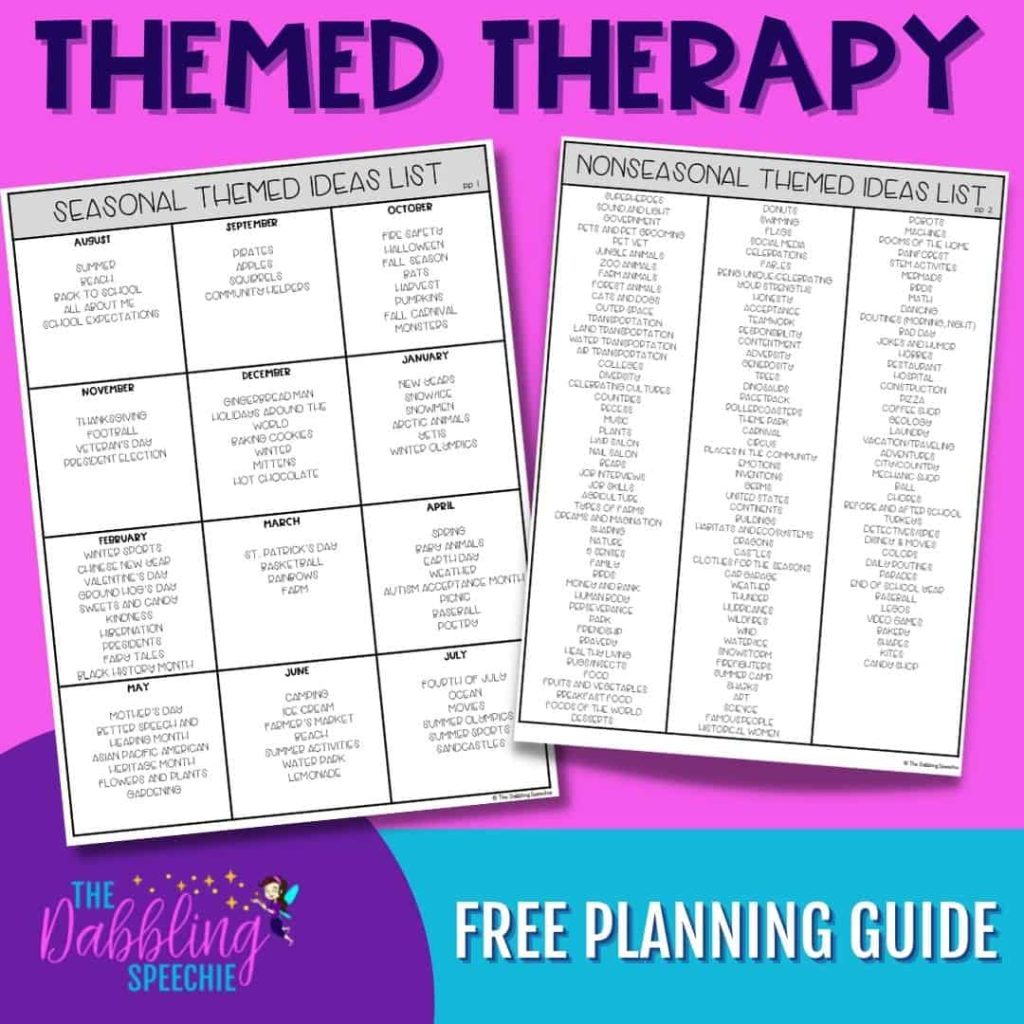
Download free themed therapy guide
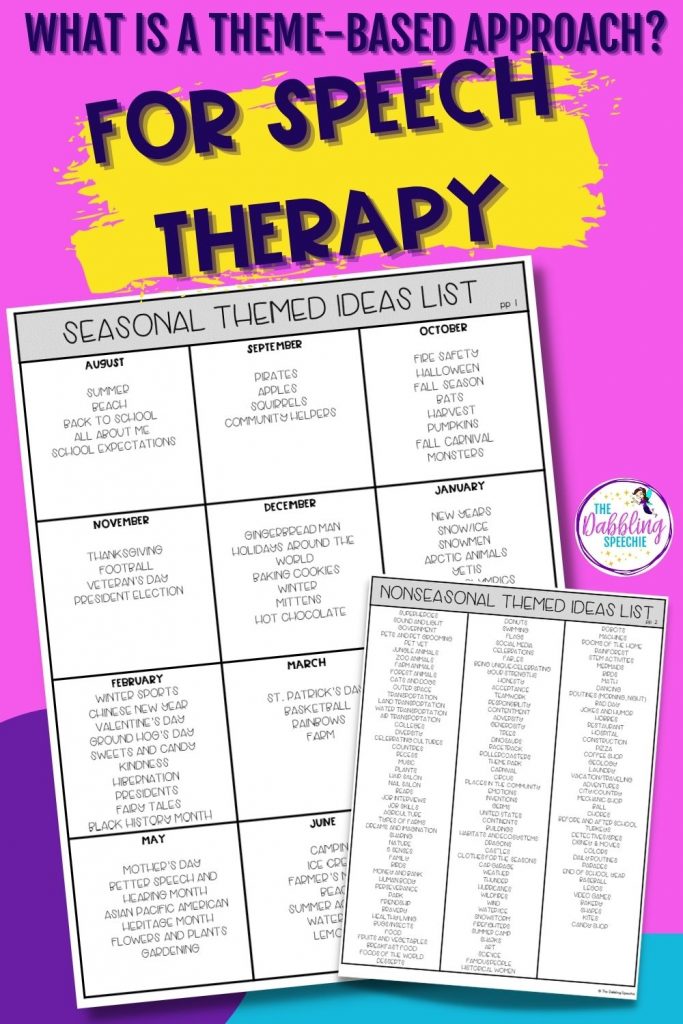
Do you love the idea of planning themes but are a little stuck with which theme to choose? Click below to grab your FREE themed therapy idea guide. It includes over 100 seasonal and nonseasonal themes plus an editable speech therapy planning template to streamline your planning process. You can also see a list of my 30 FAVORITE themes to plan HERE.
What are your thoughts about using a theme-based approach?