
Working with students with speech sound disorders, you know that many approaches recommend getting 50–100 trials with a student’s target sound or process to make meaningful progress with speech intelligibility and productions. One of the age-old therapy tools for achieving high trials is using articulation flashcards.
But if you’ve worked with students long enough, you also know that articulation flashcards can start to feel stale and boring. No SLP wants to pull tooth and nail just to get kids to practice their speech sounds. At the same time, completely ditching articulation flashcards can make planning effective articulation therapy activities even harder.
That’s why the key isn’t getting rid of articulation cards, but reinventing how you use them. In this post, I’m sharing my top tips and ideas for using games and play-based articulation activities with articulation flashcards so you can get those high trials—while your students have no idea how hard they’re working because they’re having fun.
Articulation flashcards have been a staple in speech therapy rooms for decades. I remember looking through catalogs to order materials and wanting a full, brand-new set of flashcards (shoutout to all my SLPs working in the 80s and beyond). What we know about speech sound disorders is that students need repeated practice, consistent targets, and some structure to the flow of what they are doing in a session.
Plus, in the beginning stages of teaching sound productions, it’s helpful to have tools that reduce a student’s cognitive load so they can focus on motor planning, accuracy of sound production, and self-monitoring. When you use an articulation flashcard with a clear picture and target word, students can focus on the place, manner, and voicing of the sound instead of trying to figure out what they are supposed to say.
SLPs also have GIANT caseloads, which means we need tools that can work across multiple students and goals. At the same time, we often have small therapy rooms with limited storage space, so we need materials that are flexible and adaptable. With one deck of articulation flashcards, you can practice sounds in words, sentences, and stories, use them in movement activities, turn them into games, and adapt them for different ages and skill levels.
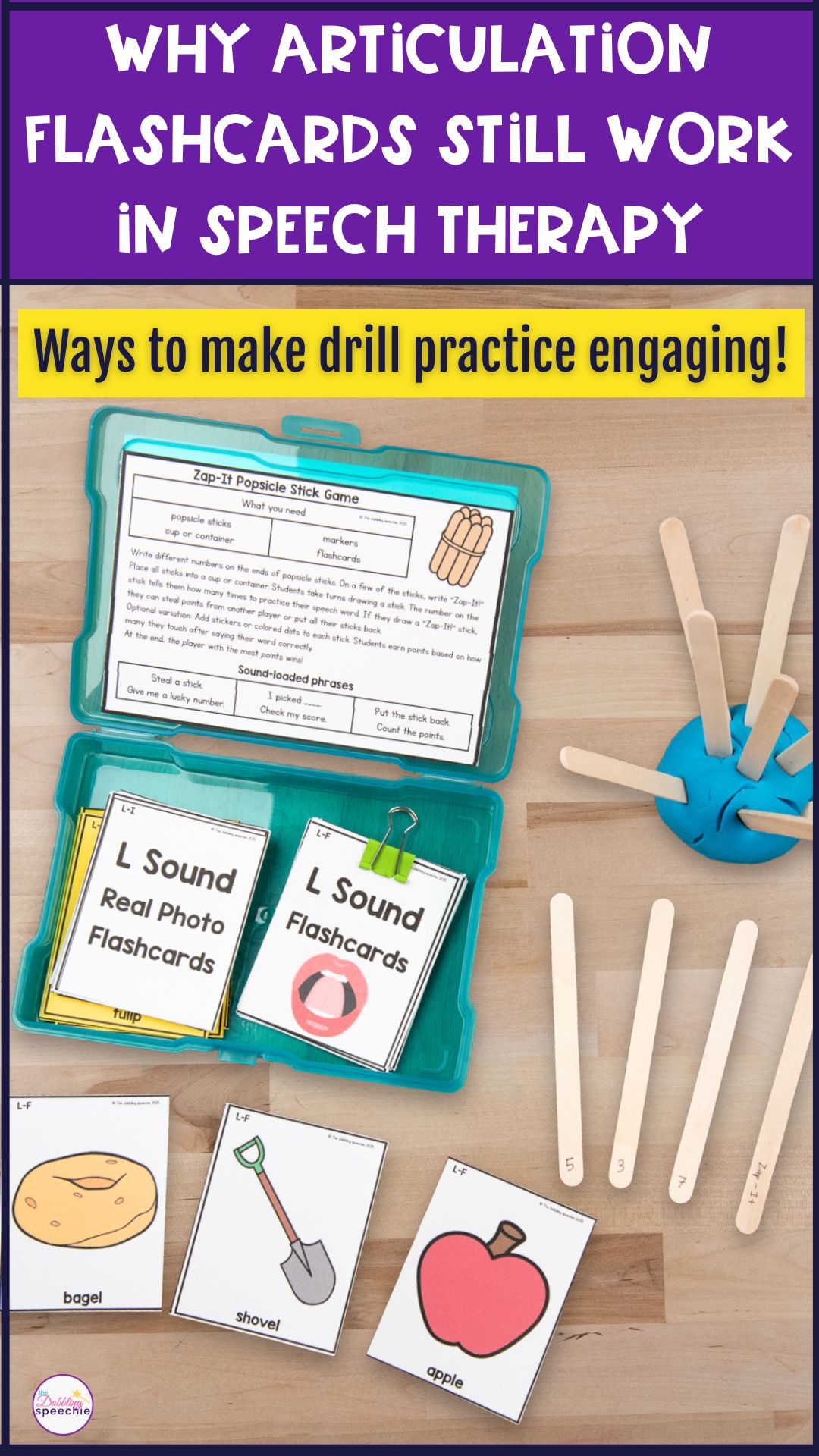
That’s where creativity comes in. By changing how you use articulation cards—not abandoning them—you can keep sessions engaging, meaningful, and effective.When an SLP says that articulation flashcards “don’t work for my kids,” I usually assume they mean the students are bored, not engaged in learning their sounds, or the sessions feel repetitive. So what happens? They may only work on speech sounds through games or play-based activities. While those approaches can be effective, one common blind spot is not getting enough repetitive practice. That’s why I’m going to share my sneaky ninja SLP ways for how you can marry repetitive articulation flashcard practice with hands-on activities—so you don’t lose engagement or high trial practice. You really can do both.
Articulation flashcards don’t need to be flashy or complicated to be effective, but they do need to be thoughtfully designed so SLPs can use them with a wide range of students, diagnoses, and therapy approaches.
When it comes to speech sound disorders, there isn’t one “perfect” set of words that works for every student. Factors like co-articulation, stimulability, and a student’s specific diagnosis all impact which words are appropriate at a given time. A child with apraxia, for example, may need a very different approach and targets than a student with a phonological disorder—even if they are technically working on the same sound.
That’s why an effective set of articulation flashcards isn’t about using every word in the deck. It’s about having enough options so you can select the words that best match your therapy approach and your student’s needs.
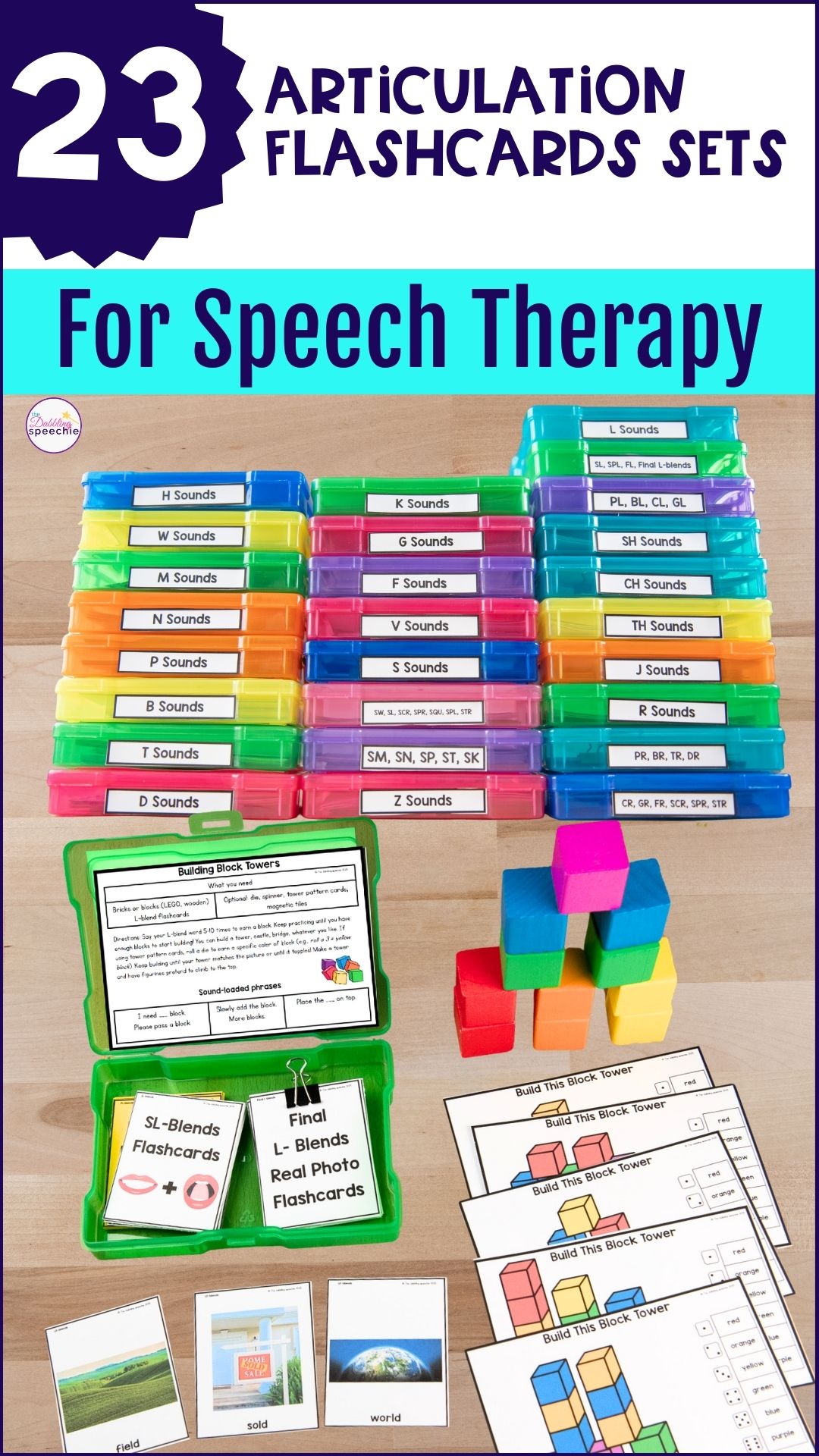
In my articulation flashcards, each sound includes eight cards for initial, medial, and final positions, giving you flexibility without overwhelming you with too many stimuli. This makes it easier to:
Plus, my R sound set has initial, medial, and final positions for prevocalic and all the vocalic R’s so you can find words to work on that the child is stimulable.
Another thing I wanted to prioritize was how SLPs actually use flashcards. That’s why my sets include color, real photo, and black-and-white options. The black-and-white cards are especially helpful for printing multiple cards per page for BINGO games, homework practice, crafts, sensory bins, or gluing into articulation activities. You’re not locked into using them for traditional drill and kill.
With the color and real photo options, you can pick which set is appropriate for the ages you work with. For example, using the real photos is ideal for younger and older students. The difference with my flashcards is that they include over 25 ways to use them in therapy and include ten game and play-based activities that are sound-loaded.
Articulation flashcards don’t have to be limited to sit-and-say drill. With a few simple tweaks, you can turn the same deck of cards into engaging activities that keep students motivated while still getting the repetitions they need.
The key is thinking about how students interact with the cards, not just what sound is on them. Below are several ways you can adapt articulation flashcards for any sound, age, or therapy setting.
One of the easiest ways to increase engagement is to add a simple game structure to flashcard practice. This doesn’t mean pulling out a complicated board game. It can be as simple as adding points, turns, or a goal to work toward.
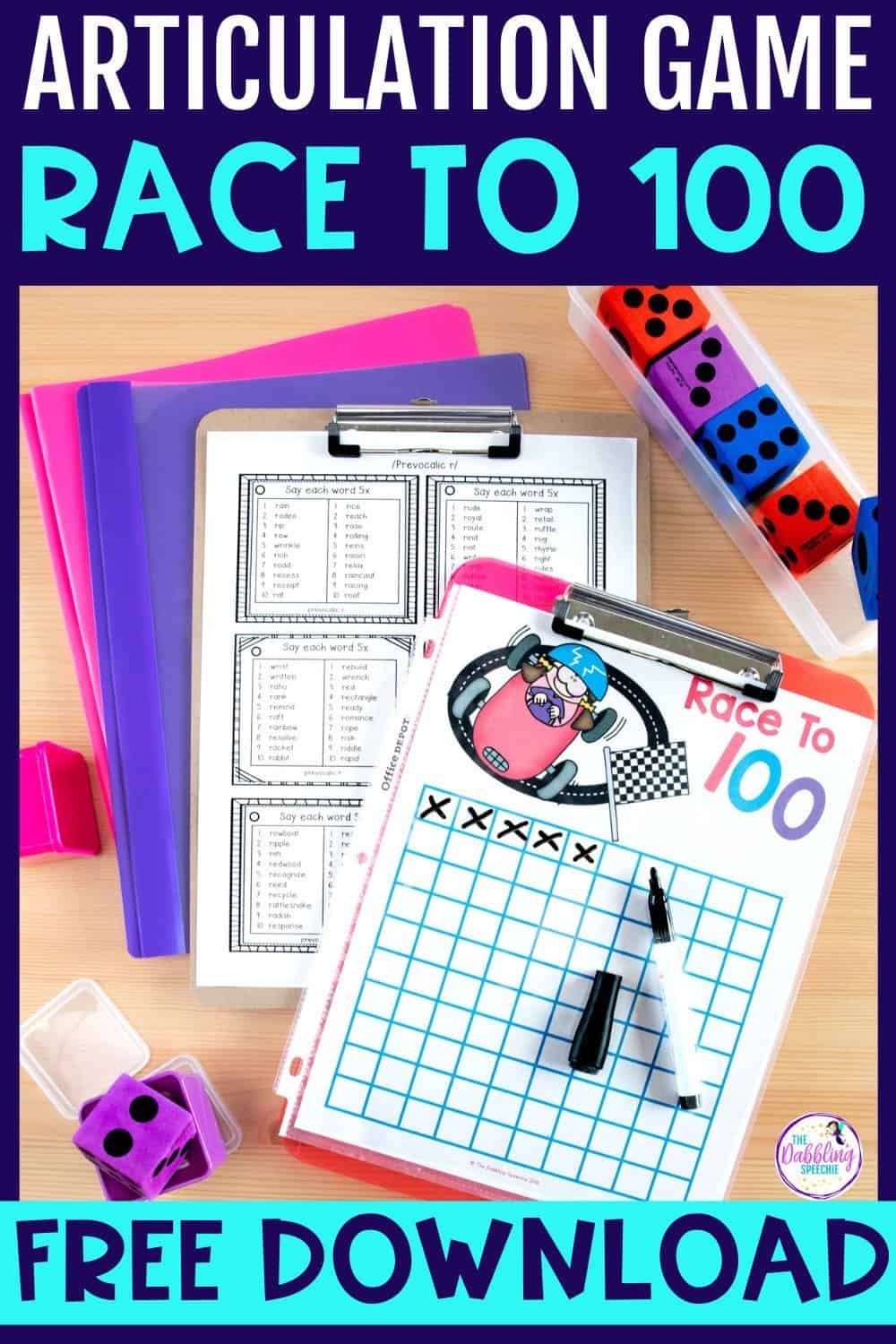
For example, students might earn a token, chip, or object for every correct production, or roll a die to see how many times they practice a word. See all my favorite tools and manipulatives for high drill practice on episode 100 of the Real Talk SLP podcast. Here are a few of my favorite quick game activities to pair with cards:
We all have those kids who need to move while they practice their speech sounds. One of my hacks is to set a timer for 2-5 minutes at the start of the session for drill-based practice. Once the timer expires, they don’t have to do drill-and-kill. That’s when you can incorporate movement activities but still get in good trials. You won’t feel as pressured to rack up those productions since you got a good chunk at the beginning of the session.
For movement activities here are some easy ones that keep kids engaged:
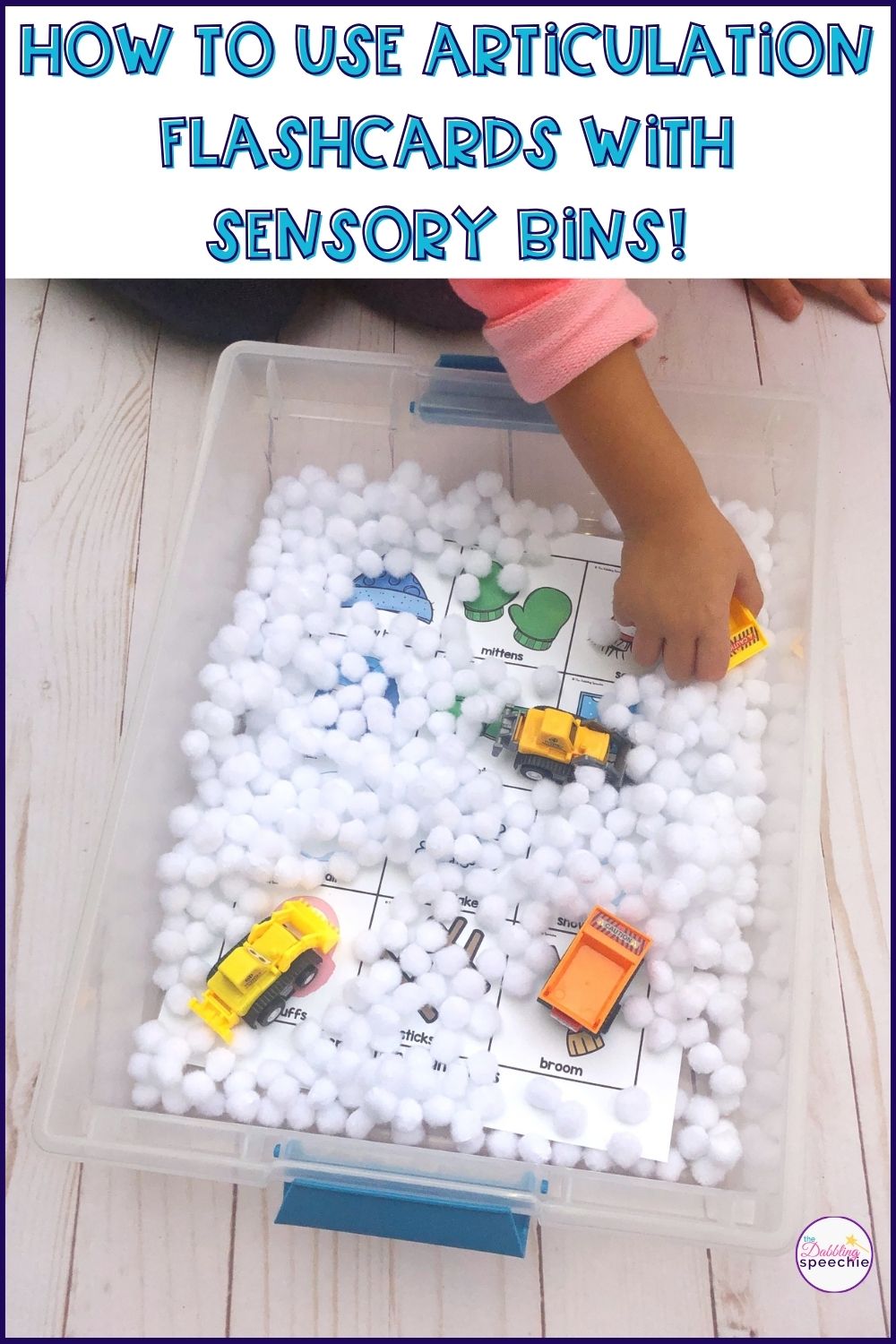
You don’t need elaborate sensory bins or lots of materials to make flashcard practice hands-on. One of my favorite ways to add a sensory element is to use full-page flashcard sheets instead of cutting individual cards (that’s why I love my black-and-white versions of my flashcards).
Print a full page of articulation flashcards and place them flat at the bottom of a shallow bin. Then cover it with a simple filler, such as white pom poms for snow, black beans for dirt, or shredded green paper for grass. Students “plow the snow,” “dig in the dirt,” or “move the grass” to reveal their speech sounds underneath.
Each time a sound is uncovered, students practice the word before continuing. This setup keeps the focus on articulation practice while still providing students with a physical object to interact with.
What I love about this approach is that:
Using full-page flashcards also makes it easier to track which words have already been practiced without losing or shuffling individual cards. It’s a simple way to keep hands busy while still maintaining structure and high repetitions.
Sound-loaded play activities work best when the articulation flashcards are built directly into the play, not added on as an afterthought. These types of activities keep students motivated while still ensuring they are practicing their target sounds throughout the session.
Here are a few examples of how articulation flashcards can be embedded into simple build and pretend play activities that work across many different sounds.
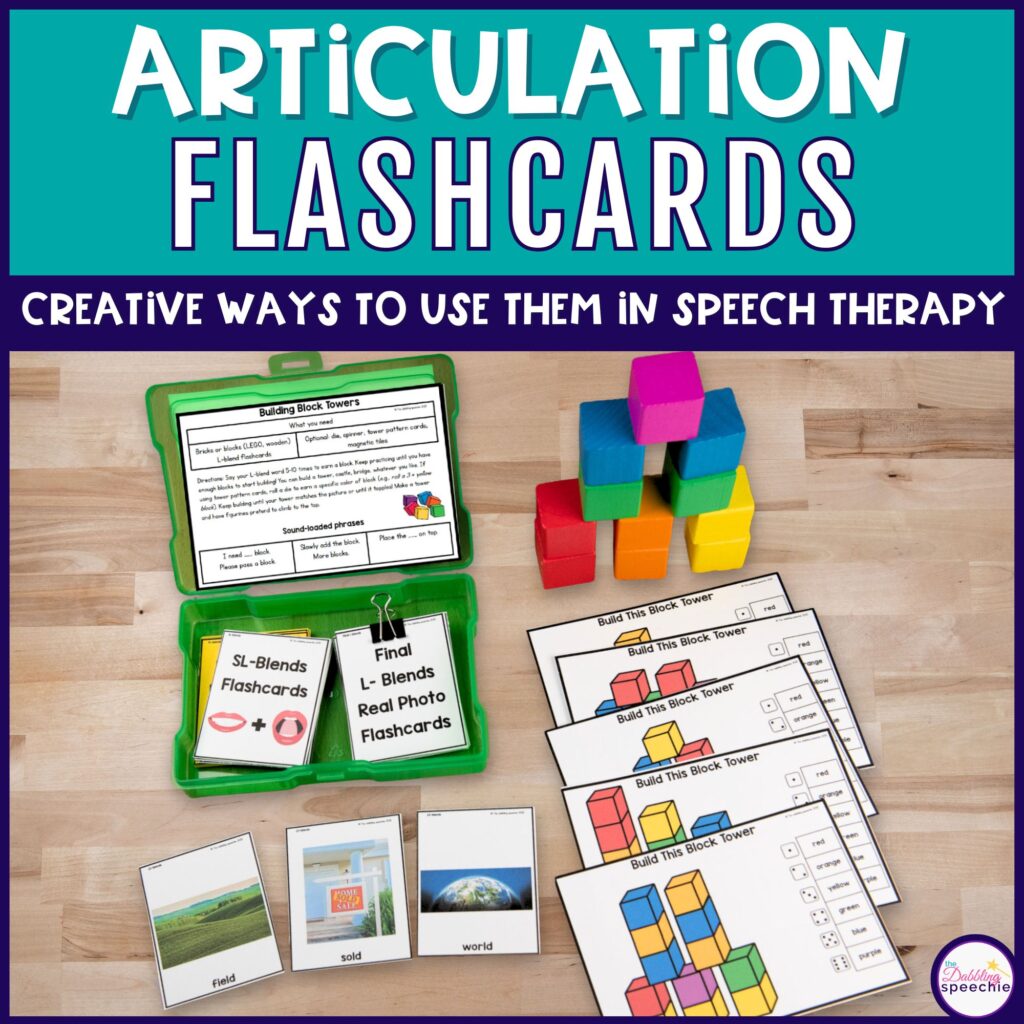
Block building is an easy way to add hands-on play while still keeping articulation practice structured. Flashcards can be placed at the base of the tower, earned one at a time, or clipped to binder clips in front of the structure.
Students practice a target word before adding a block. If the tower knocks over, students practice the speech sounds on the flashcards that fell. This works well for individual sounds, blends, and mixed groups, and it’s easy to adapt for different ages.
Pretend shopping activities are another way to pair articulation flashcards with play. Flashcards can be attached to binder clips and used as items in a store. Students practice their target words as they “buy” items, name what they want, or decide whether an item belongs in the store.
This type of play is especially helpful for students who benefit from language-rich contexts while still working
Parking games are a simple, motivating way to use flashcards with play materials many SLPs already have. Place articulation flashcards in parking spaces that you draw on a piece of paper or on a parking lot mat. Students practice a word before parking a car on top of the flashcard.
This activity works well for a wide range of sounds and is easy to scale up or down depending on the number of repetitions you want in a session.
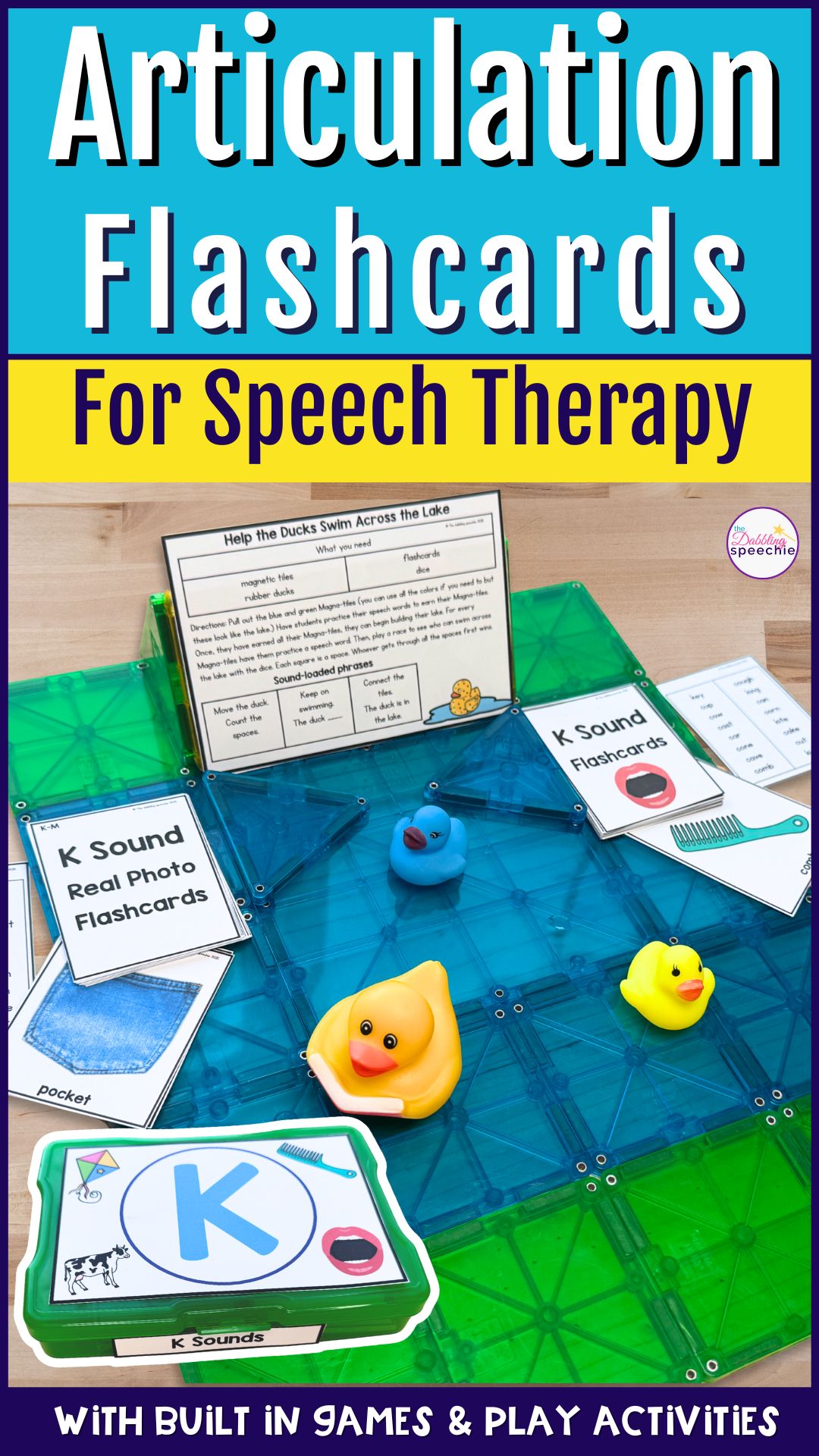
These build-and-pretend play activities feel fun and engaging for students, but they are still intentionally structured. The articulation flashcards control the targets and repetitions, while the play element keeps students motivated to keep going.
In my articulation flashcard sets, I include sound-loaded games and play-based activities like these so you can easily plug flashcards into play without having to design new activities from scratch.
Articulation flashcards don’t have to mean boring drill or disengaged students. When you pair them with simple games, movement, hands-on activities, and sound-loaded play, they become one of the most flexible and effective tools in your therapy toolbox.
Whether you’re working with mixed groups, tight schedules, or students who need strong motivation, the key is to keep practice intentional and engaging. You don’t have to choose between high trials and fun. With the right setup, you can do both.
If you already have articulation flashcards you love, I hope these ideas give you new ways to use them with confidence. And if you’re looking for ready-to-use articulation flashcards that include sound-loaded games and play-based activities, you can check out my articulation flashcard sets on my website or on TPT to save planning time and keep sessions running smoothly.
You’re doing important work, and your students benefit from the thought and care you put into your sessions. Keep using what works, adapting when needed, and trusting your clinical instincts. If your bored or you see more eye rolls than you care to admit, it’s time to liven up your speech therapy cards with some of these ideas!